Identifying Hazards
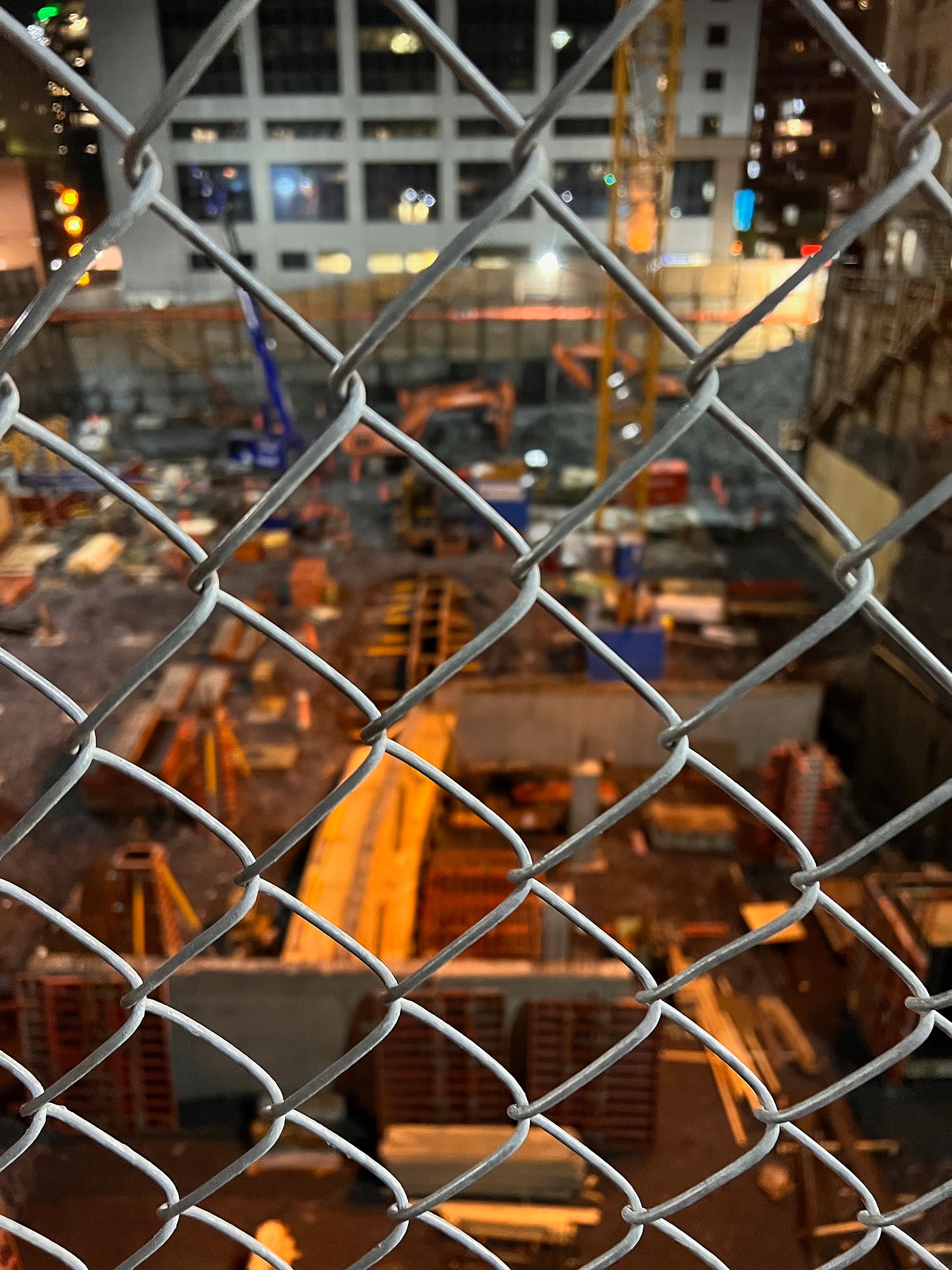
Existing buildings in Canada will make up the bulk of insulation and air sealing work for the next few decades. Each one will require a thorough inspection to identify potential issues before the energy retrofit can be done.
When you're in the preliminary stages of a potential job, recommend to your clients that they use professional inspection and energy advising services to come up with a picture of HOW their building is performing before the work begins. A baseline energy audit can identify performance issues with an older building but a careful visual inspection may reveal other issues, such as:
Materials hazardous to human health
- Older buildings may contain materials like asbestos, vermiculite or others that are now commonly known to be toxic to humans. Also, there may be signs of infestation like animal droppings or insects, many of which could be dangerous.
Issues with structural components and systems
- A thorough inspection can determine what type of structure you've got in a building, as well as gauge the current state of repair in systems like electrical, plumbing and HVAC. An inspector is going to look for signs of water ingress, rot, shifting foundations and/or antiquated systems that need removal or replacing (e.g. knob and tube wiring).
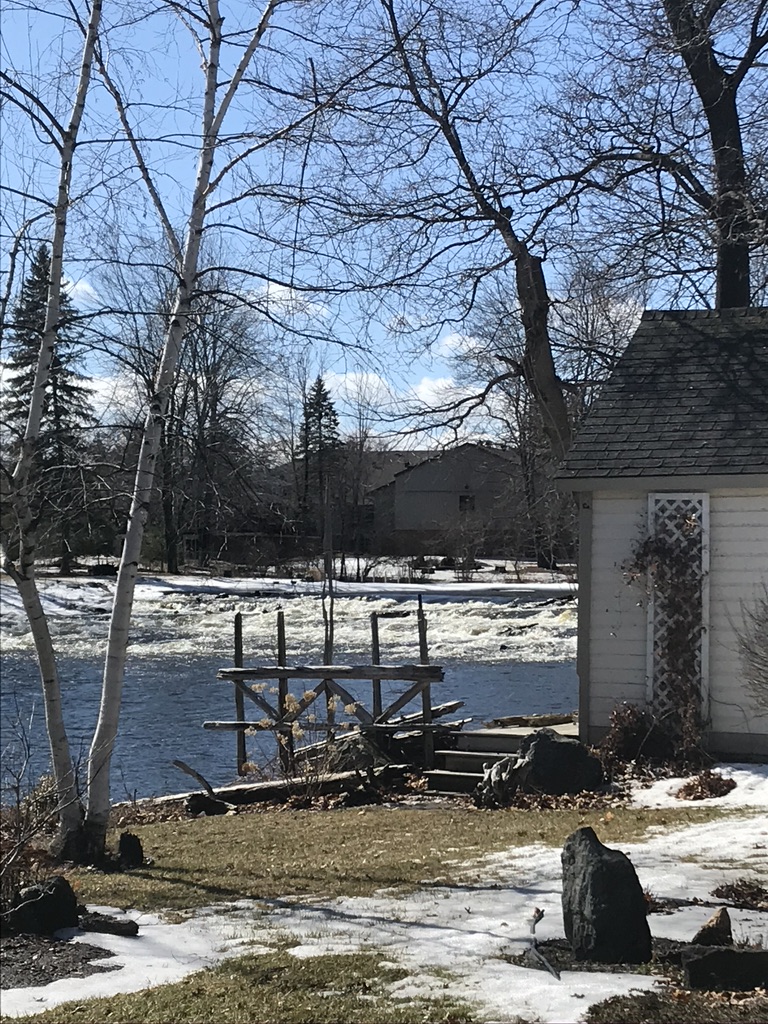
Site hazards and conditions
- If a building is near a forest, near water, or in a low spot prone to water collection, an inspection may turn up signs the the building is suffering from poor site conditions. Look for missing eavestroughs / gutters, overgrown brush and trees and/or poor drainage slopes around the building perimeter.
CONTRACTOR NOTE:
A professional home and property inspector should be used whenever there is an initial inspection to determine conditions and hazards pre-retrofit.
A professional home and property inspector should be used whenever there is an initial inspection to determine conditions and hazards pre-retrofit.