Soil Testing for Safety
Determining the bearing capacity or the material make-up of soil around a building can be done with test holes and soil samples sent to labs. There are situations where the soil type may require special treatment for naturally occurring gases, ground water or weak load carrying capacity.
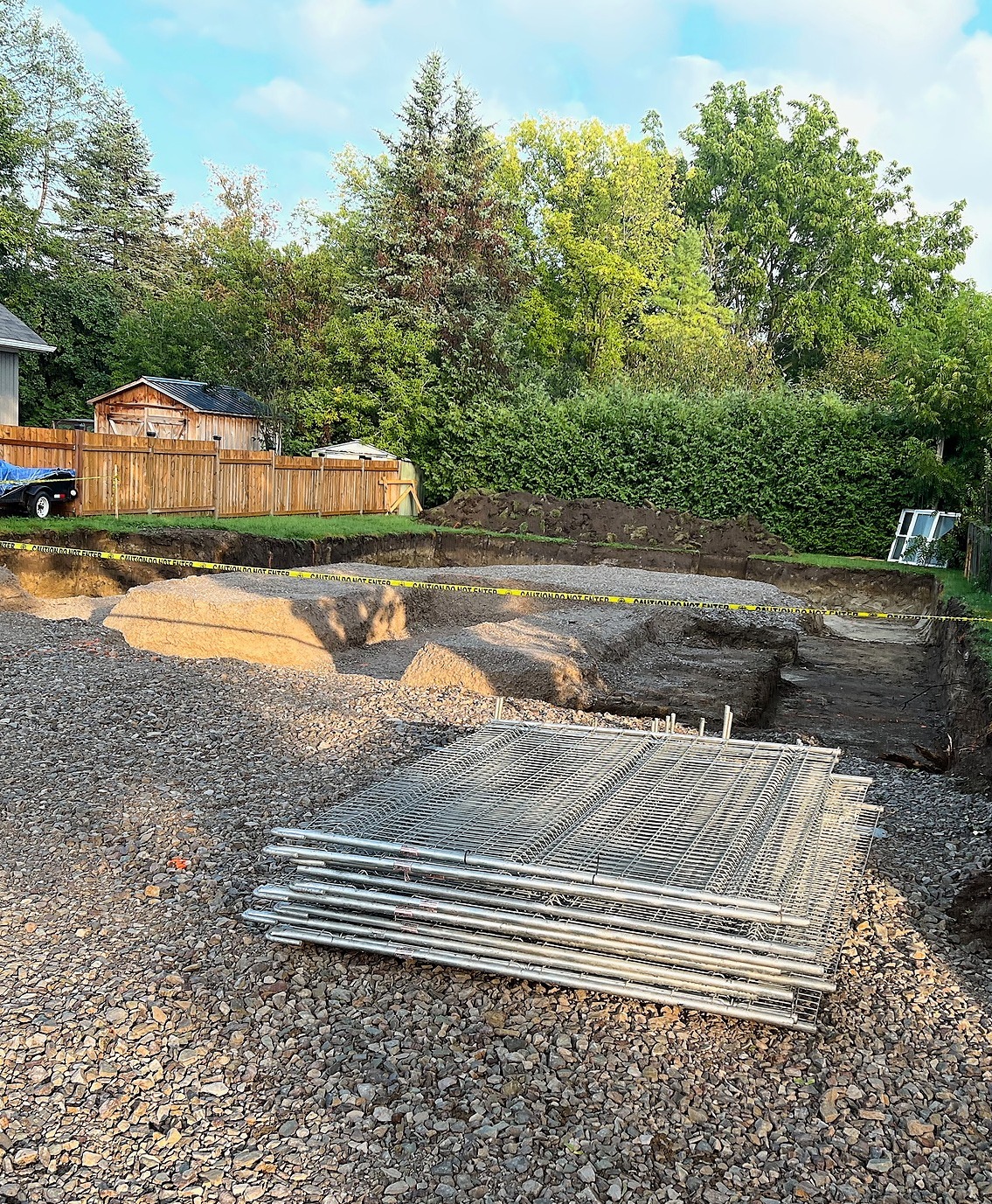
This work will normally occur before any excavation is planned for a new building or addition to a building. If the strength of the soil on a site is not sufficient or if there are hazardous soil gases present, a geotechnical engineer will be the authority who determines the type corrective work required.
CONSIDERATIONS FOR SOIL TYPES:
The main concern for construction and soil type is this: can the soils around the building support the load of the structure? OR do we need to create a stable base for the building by adding layers?
For poor load bearing conditions, the following strategies may be applied:
- Bored pilings - This is a deep, small diameter hole that is dug into poor soil until it reaches a more stable layer. The hole will be back filled with concrete, stone, wood or steel. In some cases, the piling may not sit on a hard layer but will hold in place with friction;
- Grade beams - When pilings are installed, there may be a horizontal structural member installed called a 'grade beam'. This beam will act as foundation support for the building structure above the pilings;
- Compacted Fill - It may be possible to bring in truckloads of crushed stone to fill in around where a foundation will be constructed. This new layer will be laid and compacted as flat as possible, and may require testing to determine its dry density and maximum load bearing capacity - this is called Proctor Compaction testing.
FROZEN and WET SOILS
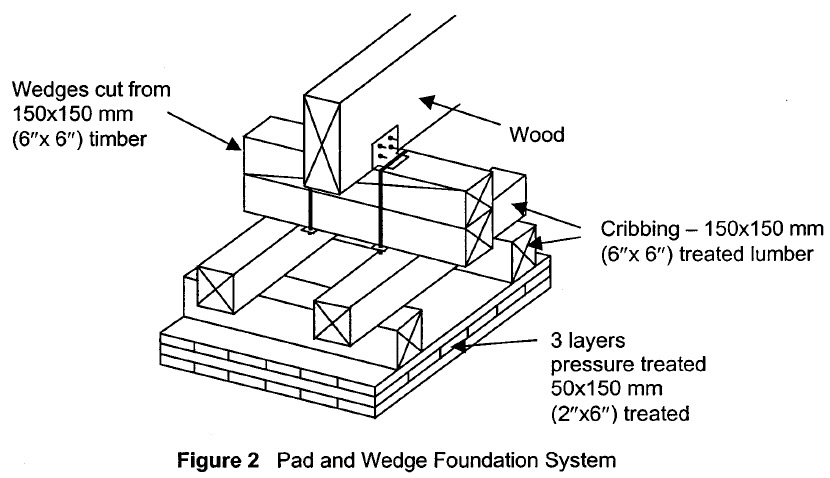
In northern regions where permafrost is present, structures may be limited to building with shallow, pier-type foundations that can be adjusted to follow the movement of the ground.
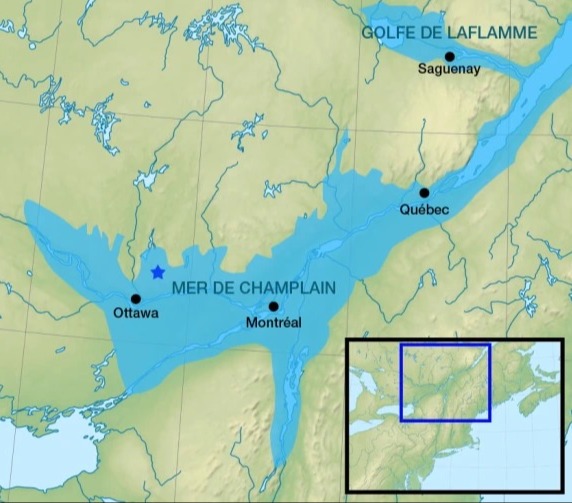
Where mixed soils or clays are present, the concern happens when things get saturated with water. Crushed stone, gravel or sand are good draining and also relatively stable, but a mix of silt, clay and loam (organic compost) may turn into a liquid, muddy pool.
In the case of a soil that contains "quick" or "leda clay", the ground may become saturated in heavy rain and collapse into sinkholes or landslides.
RADON

In cases where there are soil gases present, such as radon, it will be necessary to incorporate strategies to mitigate accumulation. For example:
- Impermeable barriers on the exterior of foundation walls and slabs;
- Dedicated radon venting pipes and/or fans to the exterior to allow gases to escape safely away from occupants;
- Radon detectors inside the building.
- IAQ (Indoor Air Quality) monitors.
The only way to know if there is radon gas present in a building is to TEST for it. Visit Take Action on Radon.ca to find a C-NRPP certified radon testing professional in your area.