Carbon Code - Measuring Operational and Embodied Carbon
LISTEN...
The amount of greenhouse gases or GHG's in Earth's atmosphere is changing our climate. Reducing GHG's in building operations is now part of the building code. Future iterations will also look at the embodied carbon of building materials.
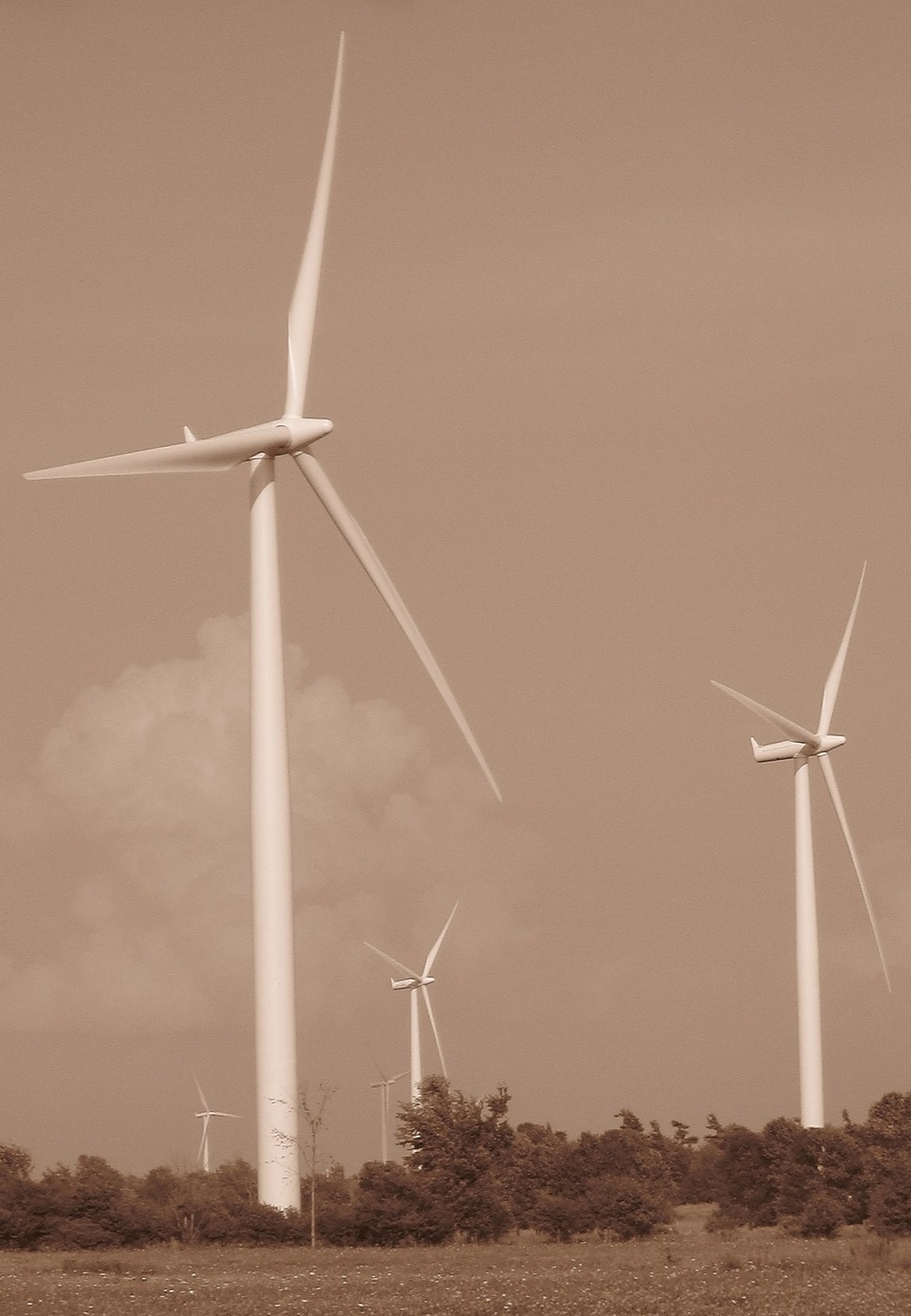
When it comes to atmospheric carbon, we're talking about the amount of carbon dioxide or CO2 that is in the air. The more CO2 in the atmosphere, the warmer our world gets. Scientists from around the globe agree that if we pass a warming threshold of 2 degrees Celsius, we could see runaway climate change and more disastrous weather events.
What's the difference between OPERATIONAL and EMBODIED CARBON?
Operating a building basically means how much power and fuel is required to maintain comfortable conditions. By using this power, a building creates greenhouse gas emissions, either directly through fuel-fired appliances OR from power plants that create emissions through energy generation. This is called "operational carbon".
On the other hand, when a consumer product is created, raw materials are extracted from the environment, transported and processed for manufacturing, and made into things that can be used in our lives. The GHG emissions that come from this process are built in or "embodied" in the materials we make. So, when we add up all the emissions that bring raw materials to finished product on the shelf of a store, this is known as "embodied carbon".
The most important things to remember?:
Embodied carbon emissions happen early, before construction starts. Operational carbon emissions happen over the long term, over the life of a building.
HOW WILL THE BUILDING CODE HANDLE CARBON?
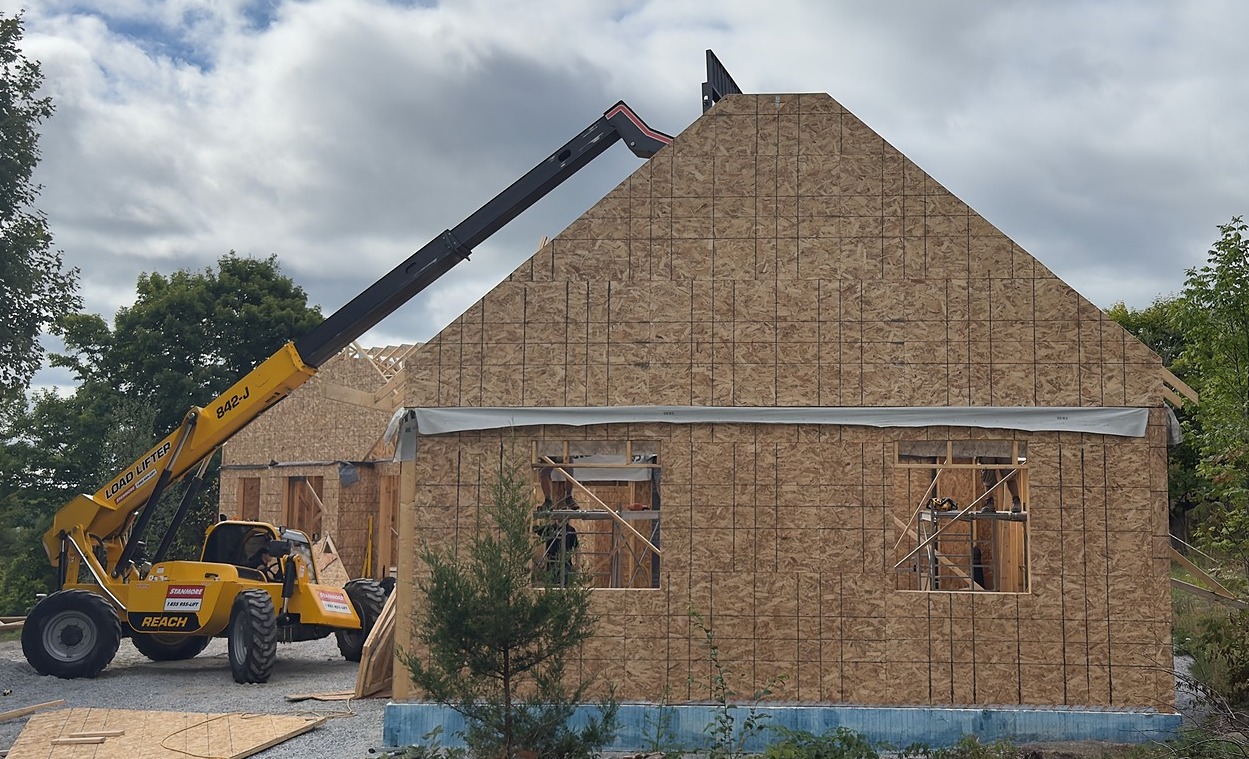
Building code already requires designers and builders to plan for energy efficiency. Energy Tiers in the latest codes reduce operational emissions over the life of a building, simply by requiring that they use less energy to maintain comfort.
Industry capacity for lowering operational carbon is well known and materials we use to lower operational energy needs are well understood - airtightness and insulation. We know how to manage long-term carbon.
Approaching embodied carbon is going to require closer attention and immediate action. Getting a hold of carbon emissions from creating materials is going to be challenging.
Future building codes will require designers and builders to choose materials that have low or zero embodied carbon. This is where the challenges arise - almost everything we consume in our lives today has some kind of embodied carbon in its make up, especially essentials for structural components. Even though we've been an industrial world for almost 200 years, it's only recently that we're paying attention to how much embodied carbon we create.
This is how code mandated embodied carbon reporting may look:
- Building codes will ask designers and builders to monitor and record the amount of embodied carbon going into their construction. This will be achieved by using reported values from material Life Cycle Assessments (LCAs) and Environmental Product Declarations (EPDs).
- In later code iterations, there may be capped limitations on how much embodied carbon is allowed into new construction, with tiered ramping up between now and 2050.
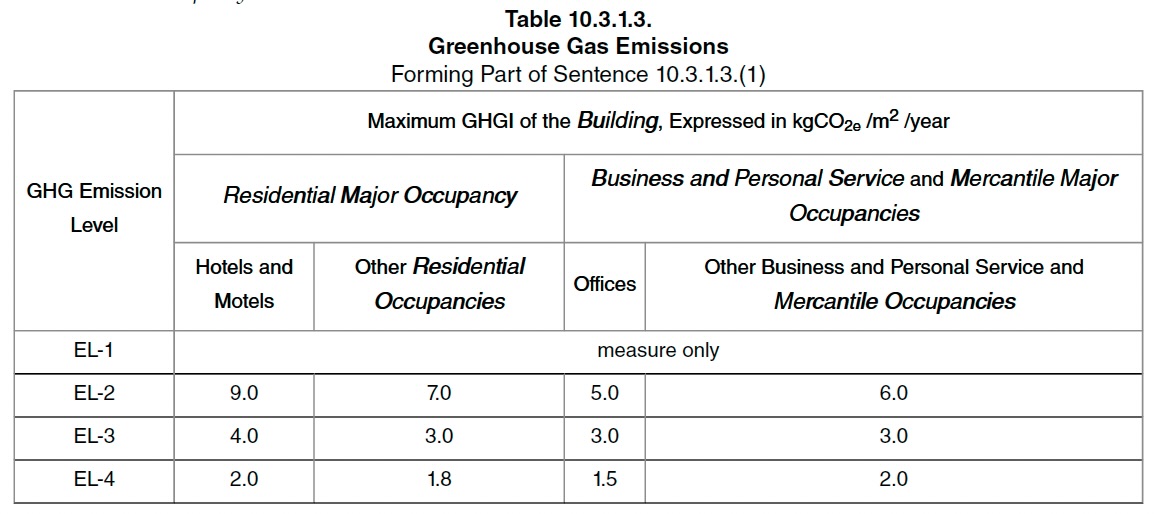
- The measurement of embodied carbon is likely to be metric kilograms or tonnes of CO2 emissions per square metre of construction per year (kgCO2e/m2/year).
- This measurement will be called "Greenhouse Gas Emissions Intensity" or GHGI.
- The 2024 British Columbia Building Code is the first code in Canada to include Greenhouse Gas Emissions mandates for new construction (see the table below)